5 Essential Safety Tips for Night Cycling in the City
5 Essential Safety Tips for Night Cycling in the City
Night cycling in the city is becoming increasingly popular, especially among working professionals, fitness enthusiasts, and delivery riders. With cooler temperatures, less traffic, and quieter roads, cycling after sunset can be a refreshing experience. However, city roads at night also come with unique challenges such as low visibility, fast-moving vehicles, and unexpected obstacles. Following proper safety measures is essential to ensure a smooth and secure night cycling experience.
Whether you cycle for fitness, commuting, or leisure, understanding night cycling safety can help you stay confident and protected on urban roads. Below are five essential safety tips every city cyclist should follow while riding at night.
Importance of Night Cycling Safety in Urban Areas
Cities like Pune and PCMC have busy roads even after sunset. Areas such as Wakad, Hinjewadi, Baner, Thergaon, and Kalewadi often experience mixed traffic conditions, including two-wheelers, cars, and heavy vehicles. Poor lighting, uneven roads, and sudden turns can increase the risk of accidents during night rides.
Night cycling safety is not just about visibility but also about awareness, preparedness, and responsible riding. By adopting the right habits and using proper gear, cyclists can enjoy night rides while minimizing risks.
1. Ensure Proper Lighting and Visibility
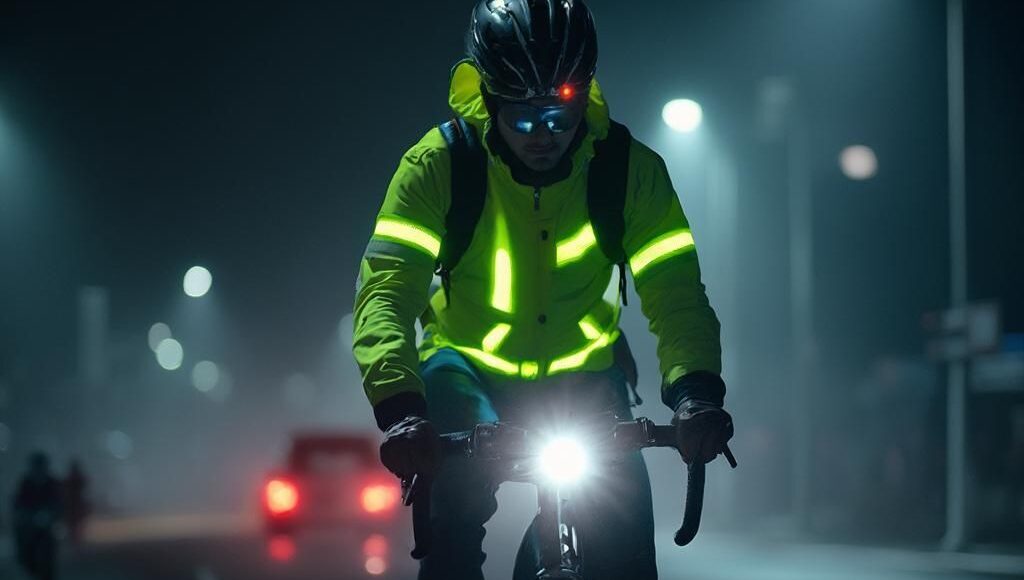
Visibility is the most critical factor when cycling at night. City traffic moves fast, and motorists may not always expect cyclists on the road after dark. Using a bright front light helps illuminate the road ahead, making potholes, speed breakers, and obstacles easier to spot. A rear red light alerts vehicles approaching from behind, significantly reducing the risk of collisions.
Reflective elements also play an important role in night cycling safety. Reflective strips on clothing, helmets, or cycles improve visibility under vehicle headlights. Cyclists who are easily visible are more likely to be noticed and respected by other road users.
2. Wear High-Visibility and Protective Gear
What you wear during night cycling matters more than during daytime rides. Dark clothing blends into the surroundings, making it difficult for motorists to see cyclists clearly. Wearing bright or reflective clothing increases visibility and enhances safety.
Protective gear such as helmets and gloves should never be ignored. A helmet protects against head injuries, while gloves improve grip and control. In city traffic, where sudden braking or swerving may be required, protective gear adds an essential layer of safety.
3. Choose Familiar and Well-Lit Routes
Route selection is a key safety factor for night cycling. Familiar roads allow cyclists to anticipate turns, traffic patterns, and road conditions. Well-lit streets reduce the risk of unseen obstacles and improve interaction with other vehicles.
Avoid poorly lit roads, isolated areas, and uneven surfaces whenever possible. Cycling through residential areas or main roads with streetlights and regular traffic movement is generally safer than taking shortcuts through dark or deserted lanes.
4. Follow Traffic Rules and Ride Defensively
Night cycling requires extra caution and alertness. Following traffic rules such as stopping at signals, riding in the correct lane, and using hand signals helps maintain predictability on the road. Motorists are more likely to respect cyclists who follow traffic discipline.
Defensive riding is equally important. Always assume that drivers may not notice you immediately. Maintain a safe distance from vehicles, avoid sudden movements, and be prepared to brake or slow down when needed. Staying alert and anticipating potential hazards can prevent accidents.
5. Keep Your Cycle in Perfect Condition
A well-maintained cycle is essential for safe night riding. Brakes should respond instantly, tires should have proper grip, and chains should move smoothly. Any mechanical issue becomes more dangerous at night due to reduced visibility and limited assistance.
Regular servicing ensures that your cycle performs reliably during night rides. Checking lights, reflectors, brakes, and tire pressure before heading out can prevent unexpected problems on the road.
Mental Awareness and Focus While Night Cycling
Apart from physical safety measures, mental alertness is crucial. Avoid using earphones or mobile phones while cycling at night, as they reduce awareness of surrounding traffic sounds. Staying focused helps cyclists react quickly to sudden movements or road changes.
Night cycling should be approached with a calm and confident mindset. Riding at a controlled speed and staying aware of surroundings improves reaction time and overall safety.
Benefits of Safe Night Cycling
When done safely, night cycling offers several benefits. Cooler temperatures reduce fatigue, while quieter roads provide a smoother riding experience. Many cyclists find night rides relaxing and less stressful compared to daytime traffic.
By following proper safety guidelines, night cycling can become a consistent and enjoyable part of your daily routine without compromising safety.
Conclusion
Night cycling in the city can be a rewarding experience when safety is given top priority. Proper lighting, visible clothing, route planning, traffic awareness, and cycle maintenance are essential for reducing risks and ensuring a confident ride. Adopting these safety practices allows cyclists to enjoy the calm of city roads after dark while staying protected.
For quality bicycles, safety accessories, and expert guidance on choosing the right gear for night cycling, visit Bodke Cycles, located at Big Cycle Mahal, Near Rajdhani Hotel, Jai Malhar Colony No. 2, Rahatani Phata, Kalewadi Main Road, Thergaon, Pune-411033. For enquiries and support, contact +91 9372315526 / +91 8468947278.
Bodke Cycles is your trusted destination for safe, comfortable, and confident cycling—day or night.